
Most Common Mistakes Beginners Make in Live Poker
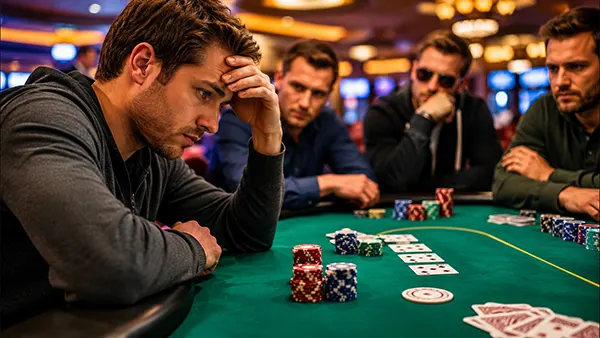
Live poker remains one of the most skill-based forms of casino entertainment in 2026, yet many new players still approach the table without understanding the practical differences between online sessions and real-world cash games or tournaments. The atmosphere, pace, table etiquette and psychological pressure can significantly affect decision-making, especially for inexperienced participants. Many beginners lose chips not because of bad luck, but because they repeat avoidable mistakes that experienced players recognise immediately. Understanding these problems early can help players manage their bankroll better, avoid unnecessary pressure and make more rational decisions during long sessions.
Poor Starting Hand Selection at Live Tables
One of the most common errors among beginners is playing too many weak starting hands. In live poker, especially at lower stakes, inexperienced players often become impatient because the game moves more slowly than online poker. As a result, they start entering pots with unsuitable cards simply to stay involved in the action. Hands such as weak offsuit aces, low disconnected cards or marginal suited combinations frequently create difficult situations after the flop.
Another issue is failing to understand position at the poker table. A beginner may call raises from early position with speculative hands without recognising how disadvantageous it becomes to act first during later betting rounds. Experienced players regularly use positional pressure to force weaker opponents into mistakes. Players sitting in late position naturally receive more information before making decisions, which gives them a strategic advantage throughout the session.
Many new players also overvalue hands like Ace-Jack or small pocket pairs. While these hands can be profitable in the right conditions, beginners often treat them as premium holdings regardless of stack depth, table dynamics or opponent tendencies. This usually leads to expensive calls against stronger ranges and unnecessary all-in confrontations.
Why Tight and Disciplined Play Matters Early On
Professional poker players consistently emphasise discipline because long-term profitability depends heavily on avoiding marginal situations. Beginners who attempt to imitate aggressive televised poker styles often misunderstand the context behind advanced plays. High-level professionals carefully calculate probabilities, stack sizes and opponent behaviour before applying pressure. Without these skills, aggressive play becomes reckless rather than strategic.
A tighter approach allows inexperienced players to reduce complicated post-flop situations while learning how live games actually function. By focusing on stronger starting hands, players naturally face fewer difficult decisions and can better observe betting patterns, emotional reactions and timing tells from opponents around the table.
Patience is especially valuable in live poker because sessions can last several hours. A player who folds consistently during weak situations is not necessarily playing passively. In many cases, disciplined folding preserves chips for stronger opportunities where mathematical and positional advantages are significantly higher.
Ignoring Bankroll Management and Emotional Control
Bankroll management remains one of the least understood aspects of poker among beginners. Many players enter live games with money they cannot comfortably afford to lose, creating emotional pressure after every lost hand. Once fear affects decision-making, logical analysis becomes far more difficult. Players begin chasing losses, forcing bluffs or calling bets emotionally instead of strategically.
Tilt is another major problem at live tables. Emotional reactions after a bad beat frequently cause inexperienced players to abandon their normal strategy. A beginner who loses with pocket aces against a weaker hand may immediately attempt to recover losses through overly aggressive play. This emotional spiral often damages an entire session far more than the original unlucky hand.
Some players also misunderstand variance in poker. Even strong players experience losing sessions because poker combines skill with short-term randomness. Beginners sometimes assume every loss means they played incorrectly, while every win confirms perfect strategy. In reality, profitable poker decisions are measured over hundreds or thousands of hands rather than a single evening.
How Emotional Discipline Influences Long Sessions
Live poker creates unique psychological pressure because players interact face-to-face for extended periods. Body language, table conversation and direct confrontation can affect concentration, particularly for inexperienced participants. A player who becomes emotionally frustrated may unintentionally reveal information through physical reactions, rushed betting or visible disappointment.
Experienced players usually maintain stable emotional behaviour regardless of short-term outcomes. They understand that frustration clouds judgement and often leads to unnecessary risks. Beginners who remain calm after setbacks generally preserve their bankroll longer and make more rational decisions under pressure.
Taking breaks is another underrated aspect of emotional management. Long live sessions can become mentally exhausting, especially in crowded casino environments with constant noise and distractions. Short breaks between sessions or tournaments help players reset emotionally and maintain better focus during important decisions.

Misreading Opponents and Table Dynamics
Many beginners focus exclusively on their own cards while ignoring valuable information from opponents. Live poker provides far more behavioural clues than online poker, including betting speed, physical movements, chip handling and conversational changes. Inexperienced players often miss these details entirely because they are too focused on their own hand strength.
Another common mistake is assuming every opponent uses advanced strategy. At lower live stakes, many players follow predictable patterns rather than balanced professional tactics. Some only bet strongly with premium hands, while others call too frequently with weak holdings. Beginners who fail to identify these tendencies usually make less effective decisions throughout the session.
Table image also plays a major role in live poker. A player who has shown several bluffs may receive more calls later, while someone perceived as conservative often gains more respect during large bets. Beginners rarely consider how opponents view their behaviour, even though table reputation directly affects future decisions.
Understanding Realistic Behaviour Patterns in Live Poker
Televised poker has created unrealistic expectations about constant bluffing and dramatic all-in confrontations. In reality, many live cash games involve patient, conservative play where value betting and careful observation produce more consistent results than flashy moves. Beginners who attempt frequent bluffs against casual players often discover that many opponents simply refuse to fold.
Observing opponents away from active hands can provide important information. Players may reveal frustration after folding, celebrate emotionally after wins or unconsciously expose betting habits during conversations. Strong live poker players continuously collect small behavioural details that later influence major decisions.
Successful live poker in 2026 still relies heavily on discipline, observation and emotional stability rather than dramatic tactics. Beginners who understand table dynamics, manage their bankroll responsibly and avoid impulsive decisions usually improve far faster than players focused only on aggressive action. Developing patience and consistency remains one of the most reliable ways to become more competitive in live poker environments.