
Why Side Bets in Blackjack Often Work Against the Player
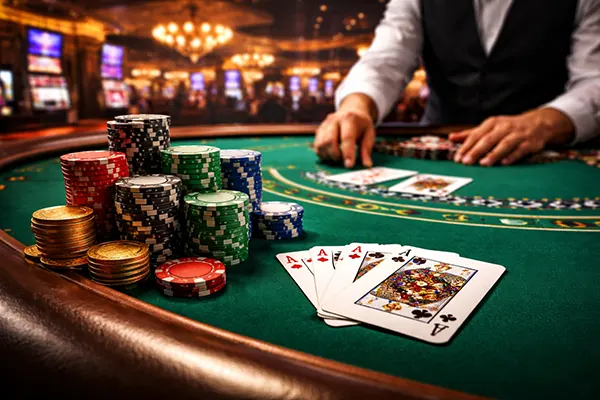
Blackjack has long been seen as one of the most transparent casino card games, largely because its rules are clear and its mathematical structure is well understood. Over time, however, casinos have introduced additional betting options designed to make the game more varied and engaging. These side bets promise higher payouts and quick wins, yet in practice they often reduce a player’s chances of long-term success. Understanding how these bets work and why they tend to favour the house is essential for anyone looking to approach blackjack with a rational strategy.
The Structure of Side Bets and Their True Cost
Side bets in blackjack are optional wagers placed alongside the main hand. They usually depend on specific card combinations, such as pairs, suited cards, or particular outcomes involving the dealer’s upcard. At first glance, the payout tables can look attractive, often offering returns of 10:1, 20:1, or even higher for rare combinations.
However, these payouts are carefully calibrated against the probability of the events they reward. In most cases, the true odds of hitting the winning combination are significantly lower than the payout suggests. This imbalance creates a higher house edge compared to the main blackjack game, where skilled play can reduce the casino advantage to below 1%.
Another important factor is frequency. While the main game provides regular outcomes and opportunities to adjust decisions, side bets are often based on rare events. This leads to longer losing streaks, making bankroll management more difficult and increasing the likelihood of losses over time.
Why High Payouts Do Not Mean Better Value
The appeal of side bets largely comes from their headline payouts. Seeing a potential 25:1 or 50:1 return creates the impression of a valuable opportunity. In reality, these figures are not indicators of favourable odds but rather compensation for very low probabilities.
For example, a side bet that pays 25:1 might only occur once in 40 or 50 hands. This means that even when a player wins, the overall return across many rounds remains negative. The casino ensures that, on average, each wager yields a consistent profit margin.
Over time, this mathematical disadvantage becomes clear. Players who regularly place side bets often experience sharper declines in their balance compared to those who stick to standard blackjack strategy. The occasional large win rarely offsets the cumulative losses.
Psychological Triggers That Encourage Side Bets
Side bets are not just mathematical constructs; they are also designed with player behaviour in mind. Their structure taps into common psychological tendencies, making them particularly tempting even for experienced players.
One of the main triggers is the desire for quick rewards. Unlike the main game, where gains are usually incremental, side bets offer the possibility of sudden, noticeable wins. This creates a sense of excitement that can overshadow rational evaluation of the odds.
Another factor is perceived control. Players may feel that certain patterns or observations—such as streaks or previous outcomes—can influence side bets. In reality, each round remains independent, and no pattern provides a reliable advantage.
The Role of Variance and Emotional Decision-Making
Side bets introduce higher variance into the game. This means results fluctuate more dramatically, with longer periods of losses followed by occasional wins. Such volatility can affect decision-making, especially when players attempt to recover losses quickly.
Emotional responses often lead to increased betting after a near miss or a previous win. For instance, seeing two matching cards without placing a pair bet may encourage a player to try again in the next round, even though the probability has not changed.
These behavioural patterns benefit the casino. By encouraging repeated participation in high-edge bets, the overall expected loss increases, even if individual rounds feel engaging or entertaining.
Comparing House Edge: Main Game vs Side Bets
The most objective way to evaluate side bets is by comparing their house edge to that of the standard blackjack game. When basic strategy is applied correctly, blackjack offers one of the lowest house edges in a casino environment.
Side bets, by contrast, typically carry a house edge ranging from 3% to over 10%, depending on the specific type. This difference may seem small in a single round but becomes significant over extended play.
For players aiming to manage risk and extend playing time, this contrast is critical. Consistently choosing higher-edge bets accelerates losses and reduces the effectiveness of any strategic approach.
When, If Ever, Side Bets Make Sense
From a strictly mathematical perspective, side bets rarely offer value. There are limited situations, such as card counting variations or promotional conditions, where certain side bets might become marginally favourable, but these cases are uncommon and require advanced analysis.
For most players, side bets function more as entertainment features rather than strategic tools. Treating them as occasional, low-stake additions—rather than core elements of gameplay—can help limit their impact on overall results.
A disciplined approach involves focusing on the main game, applying consistent strategy, and recognising that side bets are designed to increase volatility and house advantage. Understanding this distinction allows players to make more informed decisions at the table.